Conditions and procedures
Every plan starts with the least invasive option that will work. When surgery is the right answer, I use techniques that shorten recovery and keep as much natural motion as possible.
Signature procedure
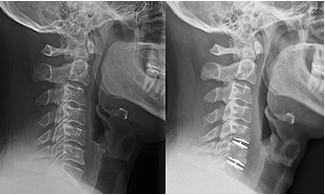
Cervical disc replacement
The worn disc in your neck is removed and replaced with an artificial one through a small incision in the front of the neck. Unlike a fusion, which locks the bones together, the new disc keeps your neck moving and needs no bone graft.
It is usually considered when neck pain, or pain, numbness or weakness in the arms, has not improved with nonsurgical treatment.
1 to 2 weeks
back to light activities for many patients
About 6 weeks
to normal activities
5.6% vs 17.1%
needed another operation by 7 years, disc replacement vs fusion
It is not right for everyone, for example people with significant osteoporosis or rheumatoid arthritis. We go over whether you are a candidate, and the risks, at your visit.
Read the full patient guideSignature procedure
Same-day minimally invasive surgery
Many spine operations can be done through incisions under an inch long, using narrow tubes, a camera or microscope, and live X-ray to guide the work. Muscles are moved aside rather than cut.
Compared with traditional open surgery, that means smaller scars, less blood loss, less pain afterwards and a quicker return to work. Many of these operations need no overnight stay, so you recover at home.
- Used for disc herniation, spinal stenosis, degenerative disc disease and spondylolisthesis
- Same-day surgery suits patients in good general health with support at home
- Someone will need to drive you home
Complex and specialized care
Scoliosis and kyphosis
Curve correction for children and adults, including rigid deformities that need vertebral column resection.
Spine tumors
Surgery for tumors that start in the spine or spread there, planned with the Houston Methodist Neal Cancer Center.
Revision surgery
For pain after an earlier fusion or spine operation that did not hold or heal.
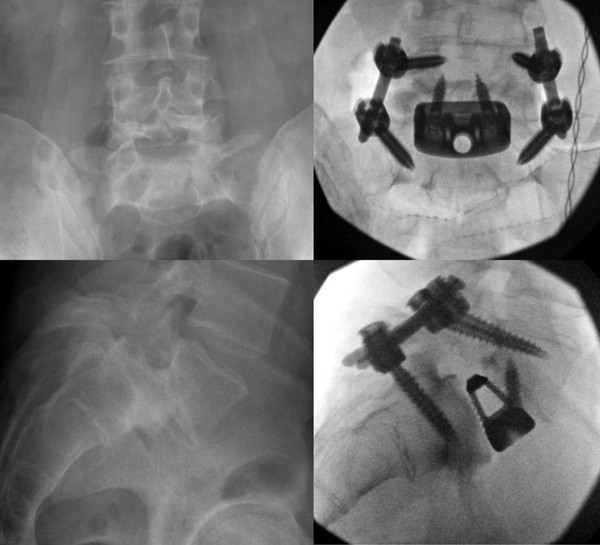
High-grade slips
Realignment and stabilization, often through small incisions with a short hospital stay.
Full list
Conditions
- Neck pain with arm pain or numbness
- Disc herniation
- Degenerative disc disease
- Spinal stenosis
- Spondylolisthesis, including high-grade slips
- Adolescent and adult scoliosis
- Kyphosis
- Flatback syndrome
- Proximal junctional kyphosis after long fusions
- Spine tumors and metastatic cancer
- Vertebral compression fractures
- Failed or painful earlier spine surgery
Procedures
- Cervical disc replacement, one and two levels
- Anterior cervical discectomy and fusion (ACDF)
- Outpatient minimally invasive spine surgery
- Minimally invasive lumbar fusion with percutaneous screws
- Anterior lumbar interbody fusion (ALIF)
- Decompression for spinal stenosis
- Scoliosis and kyphosis correction
- Vertebral column resection for rigid deformity
- Spinal tumor surgery
- Revision spine surgery
Not sure what you need?
Send your MRI and I will explain it to you on video before you decide anything.